
Blog
Building a Thriving HSA Program, from Enrollment to Engagement
 Sheila Villaroman
 Dec 09, 2025

Heath savings accounts (HSAs) are proving to be a way for many employers and employees to better control health care costs, thanks to their tax benefits, lower premiums, and long-term investment opportunities. Learn how to drive greater participation throughout the plan year.
How Does an HSA Program Work?
An HSA program consists of a pre-tax medical health savings account (HSA) that must be paired with a qualified high-deductible medical insurance plan (HDHP). The combined annual contribution limit that employees and employers can contribute to an HSA is indexed for inflation each year (in 2026, it’s $4,400 for self-only coverage or $8,750 for family-level coverage). With respect to the HDHP, participants must first pay 100% of their medical expenses until they reach the “deductible” amount before the HDHP begins to pay for medical claims. In 2026, the minimum deductible will be $1,700 for self-only coverage or $3,400 for family-level coverage. HSA assets roll over automatically, so participants don’t need to deplete their funds by year-end.
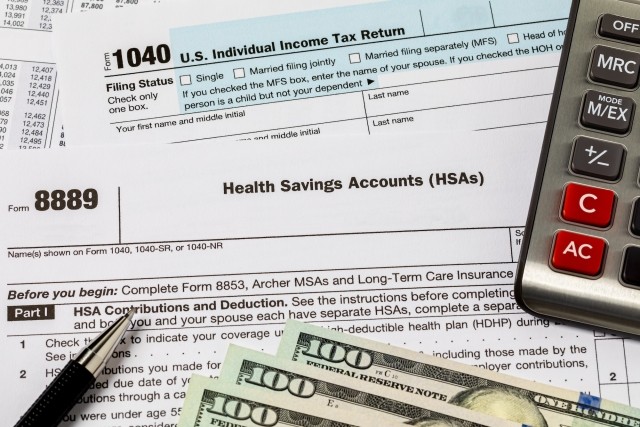
These HDHP-HSA plans are proving to be a way for many employers and employees to better control healthcare costs. They were established by law in 2004 as part of the Medicare Prescription Drug, Improvement, and Modernization Act.
More than half of employers (55%) offer a consumer-directed health plan paired with an HSA, and two-thirds (66%) contribute to HSAs, most commonly $500–$599 for individual coverage and $2,000 or more for family coverage, according to Gallagher’s US Workforce Trends Report: Benefits Benchmarks.
In addition to covering immediate expenses, a growing segment of HSA holders, particularly younger workers, are using their accounts as a long-term investment and retirement vehicle due to the triple-tax advantage—contributions are tax-deductible, earnings grow tax-free, and withdrawals for qualified medical expenses are tax-free.
These plans, therefore, help people manage their healthcare costs and save for the future. As with 401(k) balances, HSA funds used to cover healthcare expenses cannot be prematurely withdrawn without IRS penalty, creating an incentive for employees to invest and grow unused account balances.
Once people understand how HSAs work, they actively use them to cover health plan deductibles and coinsurance, invest and grow the balance as another retirement savings vehicle, or both. So how do employers drive greater participation so it’s a win-win for them and their employees?
Rising Healthcare Costs and HSA Programs
It's no secret that healthcare costs continue to rise, affecting both our national and personal economics. Medical, pharmaceutical, and technological advancements, as well as regulatory mandates, greatly impact practitioners, healthcare institutions, prescription drugs, and related services financially and administratively.
According to Gallagher, nearly all employers (98%) provide medical benefits, yet 74% expect healthcare costs to rise in 2025, highlighting the challenge of managing expenses they largely fund.
While employers are using many strategies to help manage healthcare costs, HSAs are a strategic tool for healthcare and retirement planning, offering triple-tax advantage and portability. Employers increasingly integrate HSAs into financial well-being strategies.
Despite their advantages, HSAs remain underutilized or misunderstood, underscoring the need for improved communication and education. Therefore, employee engagement is key. Employers can educate employees and help point them in the direction of more informed choices whenever possible. Much like any product or service, given the right tools, employees can search for cost and quality, looking for the best combination that serves their needs. Most insurers offering high-deductible medical plans provide a provider finder, cost transparency, and telehealth tools on their websites—an easy, less expensive way to avoid costly emergency room, urgent care, and office visit costs.
Creating Your Strategy for Success: Incentives
Whether this is your first HSA offering or you've had HSAs for a while and want to capture that last percentage of your employee population, you'll need a thoughtful approach to help increase HSA participation.
Because HSAs are required to be paired with a qualified high-deductible medical plan, it can be difficult for an employee to understand and trust how the new plans will work for them. To encourage enrollment, employers often contribute to employee HSAs, typically contributing 50% of the annual medical plan deductible. Incentivizing with real money tends to work!
Changing requirements for HDHPs or HSAs can also provide their own incentive. In particular, the One Big Beautiful Bill Act, passed in July 2025, makes permanent the pandemic-related telehealth relief for HDHPs. This enables participants to receive telehealth services before satisfying the HDHP deductible while maintaining HSA eligibility. Newfound confidence that telehealth visits will be covered before the deductible is met may make enrollment more enticing for employees who are hesitant about the out-of-pocket costs associated with an HDHP.
Another strategy aimed at helping people feel more comfortable enrolling in a higher-deductible medical plan is to offer low-cost employee-paid (voluntary) supplemental health plans that provide lump sum payments to a person who becomes hospitalized, suffers an accident, or is diagnosed with a critical illness. People might be concerned about not having enough money in their HSAs to cover their portion of those costs or wish to preserve the balances they have for the future. These plans can bridge that gap. They can also allow an employer to provide medical plans with higher deductibles and correspondingly lower premiums (and employee contributions) since employees can pay down deductibles with supplemental health plan lump sum payments.
We have seen employers cover the cost of these voluntary plans for employees (and sometimes their dependents too), as doing so can be less expensive than the premium for a lower-deductible plan, and employees are no more financially exposed.
Another positive feature of supplemental health plans is that some of them offer "well-being" incentives. Getting $50 for a preventive screening such as a mammogram or colonoscopy is an example of this approach.
Make Employee Communications Clear
Most educational materials will stress the factual information about tax savings and qualified medical expenses. But if you want employees to trust the program, you'll need to take a personal approach and help them understand how the HSA will affect their lives. Below are tips for employees to help them understand what to expect and how the program can work for them and their families.
- You own the account. Unlike other accounts, the HSA is a bank account that you own. You control the money and decide how and when to use it. It is yours even if you move to a new employer.
- You don't have to spend it all in one year. There may be confusion with Flexible Spending Accounts (FSAs) with "use-it-or-lose-it" provisions that generally require the employee to spend the entire balance within 12 months. Not so with an HSA. The money rolls over from year to year, helping to save for future expenses.
- You can invest your HSA money. Once you have set aside a certain dollar amount in your account, you can invest that money in funds provided by the HSA administrator, much like a 401(k) plan.
- You can use your HSA card like a debit or credit card. Wonder if you have enough cash to pay your doctor's copay or prescription? Receive a balance due bill from your provider and don't know how to pay it? With a funded HSA account, just use your HSA debit card to pay for those expenses without affecting your personal bank account.
- You and your tax family can use your HSA card. You can use your HSA funds for your tax-qualified dependents’ medical expenses as well, regardless of whether or not they are covered under your medical plan.
- You can assign a beneficiary. Not sure if you'll use your entire account, but want to make sure your loved ones are cared for? Your HSA administrator allows you to assign a beneficiary to give you greater peace of mind.
- You have a triple tax advantage. Your first tax advantage is that you contribute pre-tax earnings to your HSA. Second, the interest you earn on your HSA account is also tax-free. Finally, your withdrawals to pay for health care costs are tax-free.
Helping your employees understand and trust that an HSA is a great investment for them and their family will go a long way to increasing overall participation.
Getting the Word Out
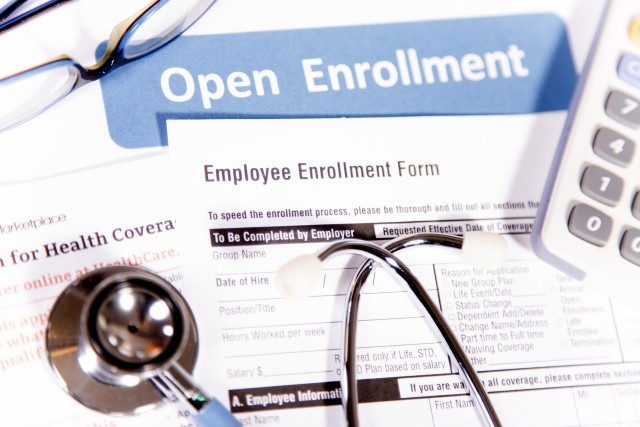
Remember that old advertising adage about people needing to see or hear a message at least seven times before they act on it? That goes for HSAs too. Educating your employees about HSAs requires ongoing messaging, often before, during, and after your annual open enrollment. You'll need to get the message out not just when you're first implementing the program but on an ongoing basis as well, particularly as the requirements for HDHPs or HSA eligibility may change over time.
Communication is key to ramping up enrollment. Employees need to understand and trust that an HSA program will work for them. In addition to a focused and thoughtful communications campaign, strong executive support and HR/Benefits professionals who understand and can explain to employees how HSAs work are critical in building trust in your program.
You'll need to be consistent and publicize the plan on multiple channels. Sharing explanatory and testimonial videos is helpful, as are emails, handouts, and information on your intranet. Educational videos, vendor tools, and old-fashioned one-to-one conversations will help convince employees that they not only can benefit from the plan, but they can also effectively manage it over time according to their changing needs.
A Woodruff Sawyer client had an HSA program in place for a while but wanted to capture the remaining employee population. We designed a program that included 12 videos per year, a CEO message, and access to numerous tools. As a result, the client was able to capture a significant percentage of the remaining employee population, markedly increasing participation. Additional details about the campaign are below.
Is an HSA Right for Your Organization?
Despite the tax benefits, lower premiums, and long-term investment opportunities, some employers still don't offer HSAs. Since HSAs must be paired with a qualified high-deductible medical plan, when compared to strong HMOs in certain geographic regions, the HSA plan pricing may not work for the employer. Your benefits broker/consultant advisor can provide you with the cost analyses necessary to help you make the best decision for your company.
Next, some employers believe that one more benefit plan will add unnecessary administrative burden to the HR and Payroll teams. HSA administrators now offer convenient tools for participants and may integrate with your payroll provider and benefits administration system. Ask for a demonstration to find out if it would truly add more tasks to your team's already-full plates.
Finally, some employers aren't sure that employees are good consumers. They've seen their healthcare costs increase and may have incurred some costly expenses as a result of employee health issues, which are difficult to predict. Adding employee consumerism to that may seem risky. Providing employees with the tools they need to make sound healthcare decisions, such as medical cost transparency tools or healthcare literacy training, can help mitigate some of that concern.
If you're still unsure if an HSA is right for you, our benefits team can help you take a big picture view of your current plan offerings and determine what programs will align with your business goals for the next few years.
Disclaimer: The information contained herein is offered as insurance Industry guidance and provided as an overview of current market risks and available coverages and is intended for discussion purposes only. This publication is not intended to offer financial, tax, legal or client-specific insurance or risk management advice. General insurance descriptions contained herein do not include complete Insurance policy definitions, terms, and/or conditions, and should not be relied on for coverage interpretation. Actual insurance policies must always be consulted for full coverage details and analysis.
Author

Table of Contents